
Under-Eye Filler Before and After: What Good Results Should Look Like
Under-eye filler can soften selected hollows, but it is not appropriate for every tired-looking eye. Learn how anatomy, swelling, skin quality and cheek support affect results.
What does under-eye filler treat?
Under-eye filler is designed to soften selected depressions between the lower eyelid and cheek. It may reduce shadowing caused by a true tear-trough hollow, but it does not remove pigment, eye bags, loose skin or fluid retention. Treating the wrong concern can create puffiness or an unnatural transition.
Who may be a good candidate?
Potential candidates generally have a visible hollow, suitable skin quality and limited baseline swelling. Patients with prominent fat pads, significant laxity, malar edema, chronic puffiness or certain medical histories may be better served by skincare, energy-based treatment, cheek support, observation or surgical evaluation. Sometimes the safest recommendation is not to place filler beneath the eyes.
What should before-and-after photos include?
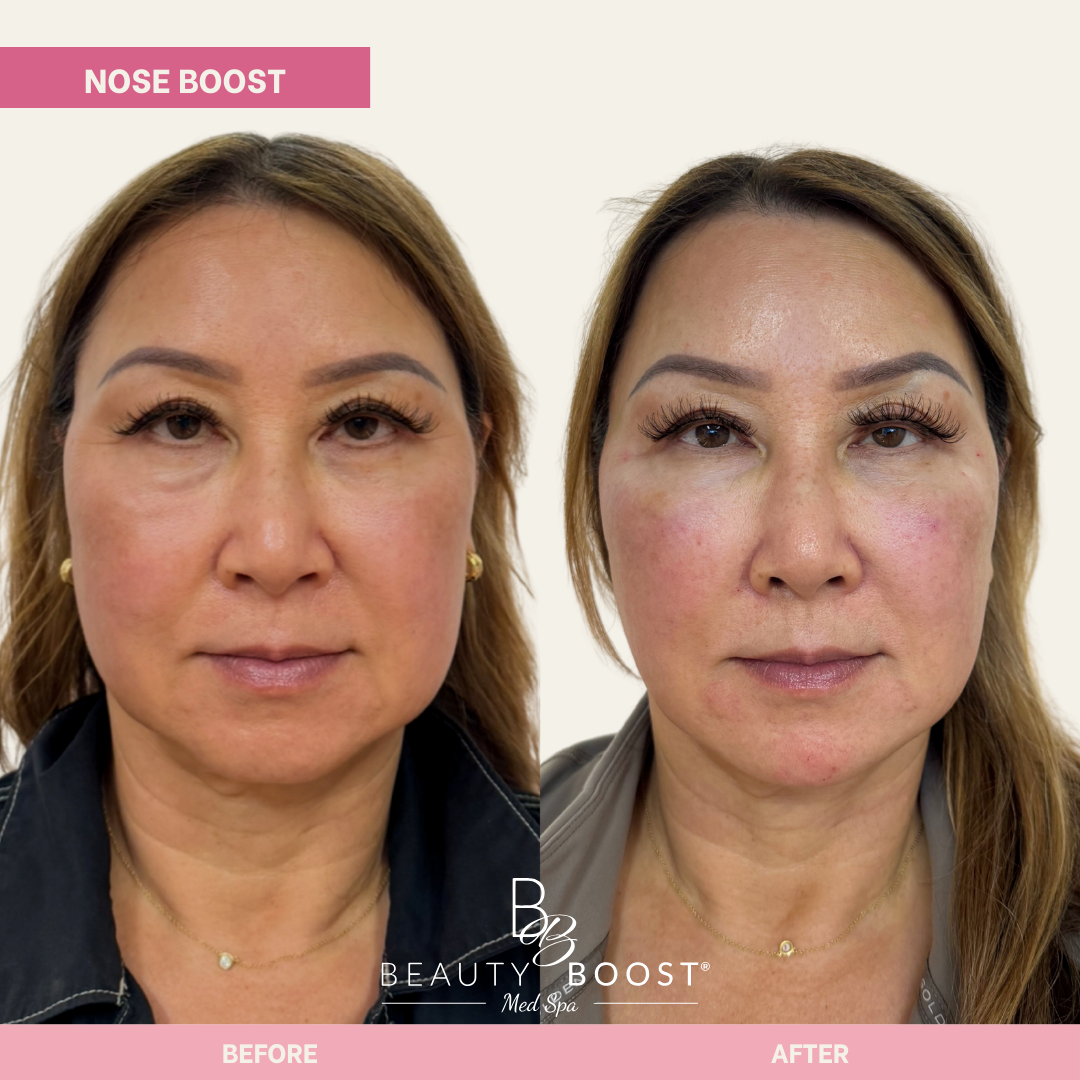
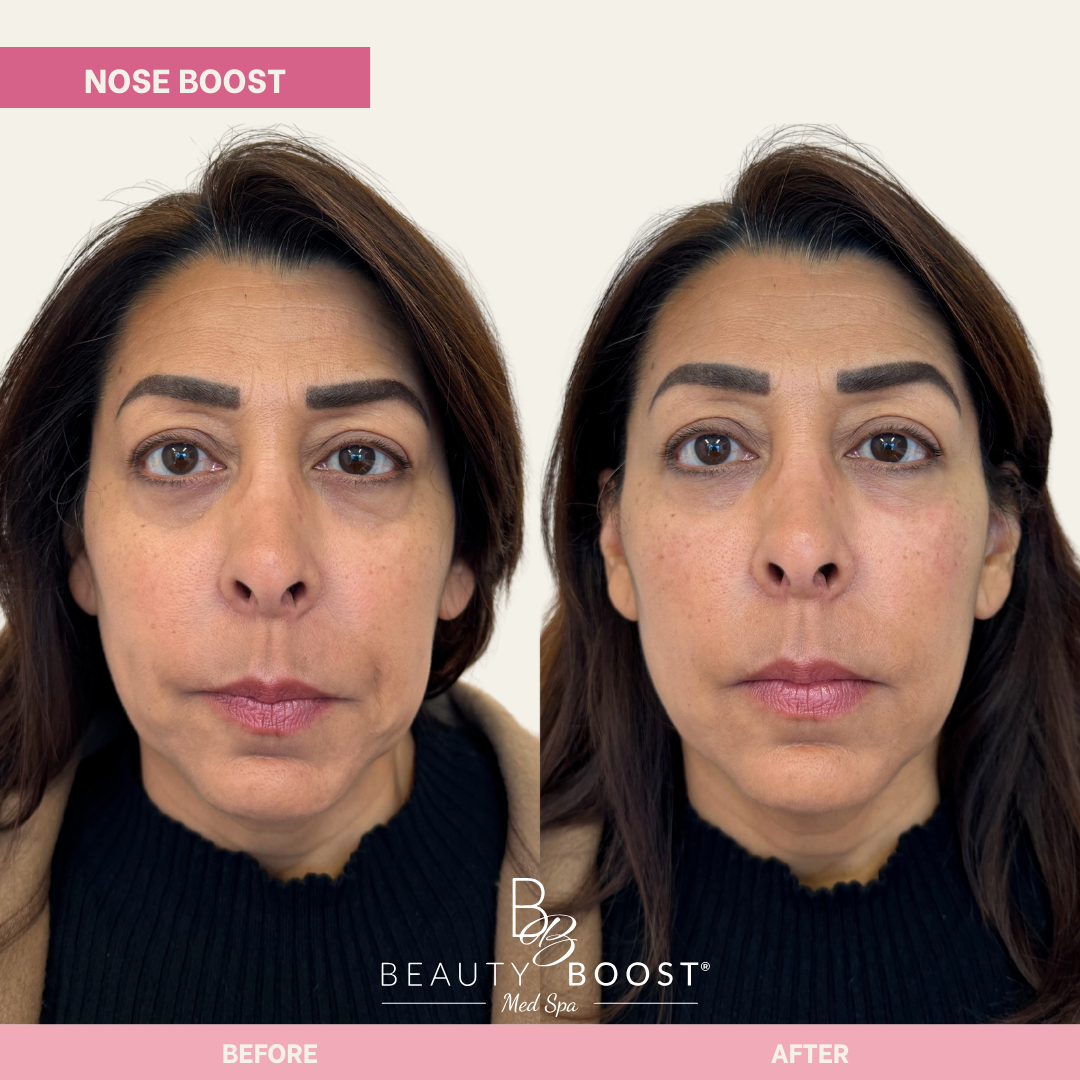
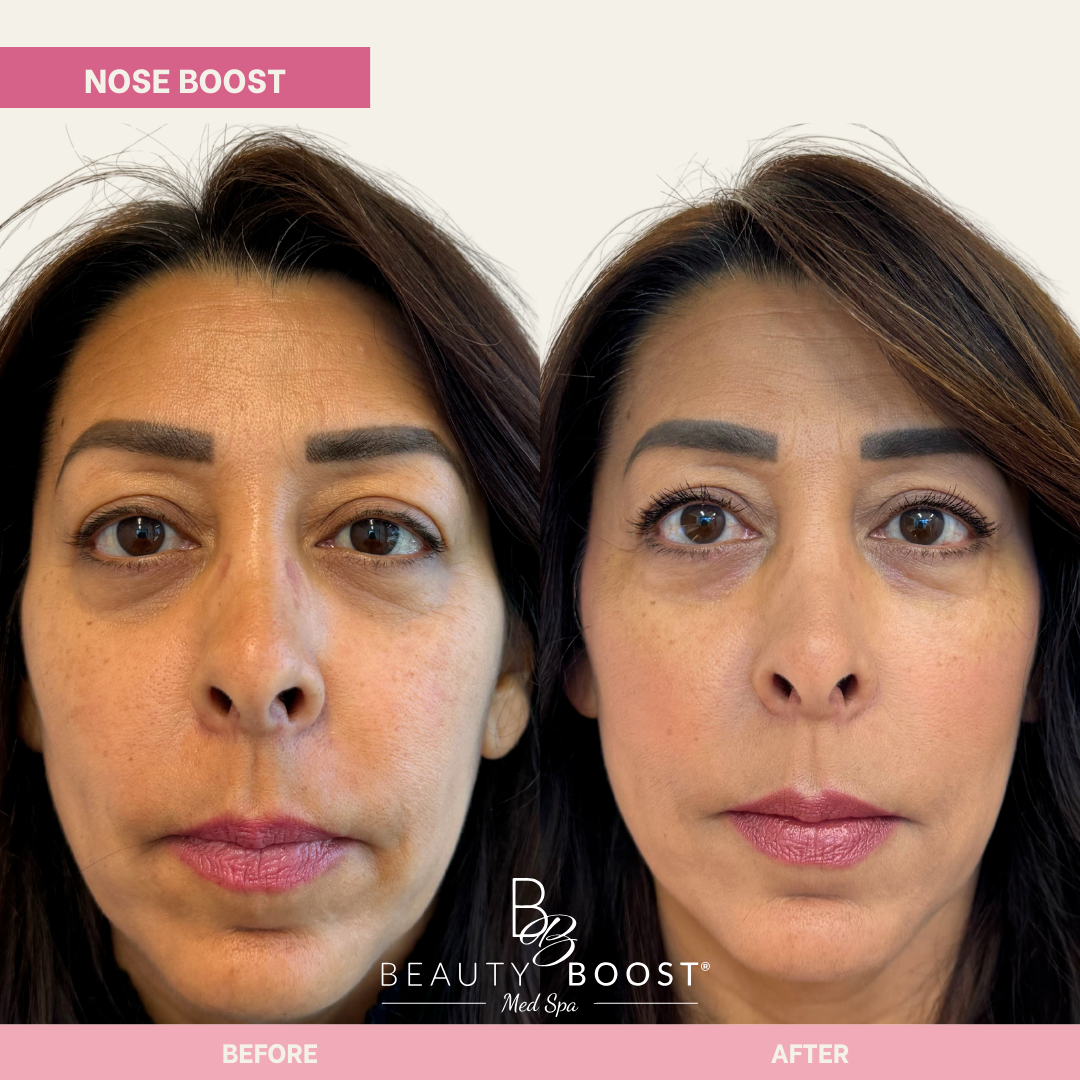
Under-eye shadows change dramatically with lighting and head position. Reliable images should use the same lighting, angle, expression, camera distance and makeup conditions. They should state how long after treatment the photo was taken and whether cheek filler or another procedure contributed to the result.
When will the final result be visible?
An early change may be visible immediately, but swelling and bruising can distort the result. The area often needs time to settle before final evaluation. Follow-up timing depends on the product, technique and clinical response. Additional filler should not be added simply because the first few days look uneven.
How long does under-eye filler last?
Longevity varies and may be prolonged in the relatively low-movement tear-trough area. Product can sometimes persist longer than the visible correction suggests. Maintenance should be conservative and based on examination, not routine layering.
Risks unique to the eye area
Common effects include swelling, bruising, tenderness, asymmetry, lumps and a bluish hue. Persistent edema or an unsatisfactory contour may occur. The most serious risk of dermal filler is accidental injection into a blood vessel, which can cause skin injury, vision loss or stroke. Sudden severe pain, skin color changes or any vision symptom requires immediate emergency evaluation.
Our approach to natural-looking under-eye results
Beauty Boost Med Spa assesses the lower eyelid, cheek, skin quality and facial proportions together. When filler is appropriate, the priority is conservative correction rather than eliminating every natural contour. When it is not appropriate, we will discuss alternatives or referral. Schedule a consultation in Newport Beach for an anatomy-based plan.
Frequently Asked Questions (FAQ)
Can under-eye filler remove dark circles?
Only when shadowing from hollowness is a major contributor. Pigment, visible vessels and thin skin require different approaches.
Can under-eye filler make bags worse?
Yes. Filler can add heaviness or retain water in patients with puffiness or unsuitable anatomy.
Can under-eye filler be dissolved?
Hyaluronic acid filler may respond to hyaluronidase, but dissolving requires medical assessment and may take more than one session.
Should cheek filler be considered first?
Sometimes cheek support improves the lid-cheek transition, but this depends on anatomy and should not be automatic.
Under-Eye Filler Before & After